

History of Chemmaruthy Grama Panchayat
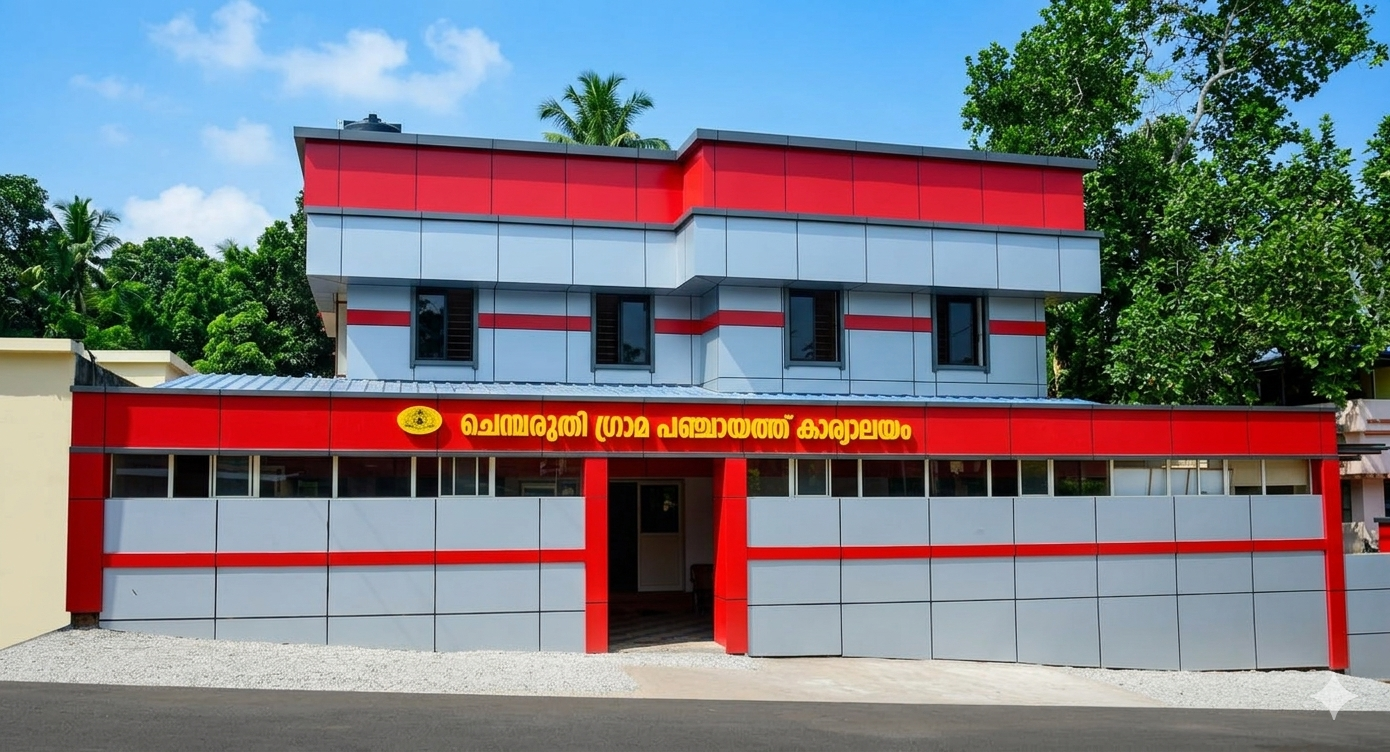
Chemmaruthy Panchayat is located in Chirayinkeezhu Taluk of Thiruvananthapuram district. Chemmaruthy Panchayat is made up of the banks of Muttappalam, Kovoor, Panayara and Chemmaruthy. It is believed that the name Chemmaruthy came from the fact that the red Maruthi (Attuvanchi) used to bloom there. Chemmaruthy Panchayat, which borders Cherunniyur, Ottoor, Navaikulam and Elakamon panchayats and Varkala Municipality, was formed on August 15, 1953. The main places where civilization remains are Njekkad, Panayara, Chemmaruthy, Muthana, Chavarkode, Kovoor, Palayamkunnu, Nadayara, Mattappalam, Sreenivasapuram, Vattaplamoodu, Thachodu, Narikkallu, Thokkad and Chavadimukku. The Chemmaruthy River, which flows through the panchayat from Muthana in the east to Ayiroor Villikadavu in the west, geographically divides the panchayat into two. Kunnathumala, one of the highest areas in this panchayat, is densely covered with blackberries. If you look from the top of this hill, you can see the entire panchayat area. 80 percent of the land area of this panchayat is sloping land. Their bed slopes towards the paddy fields.
Cultural history
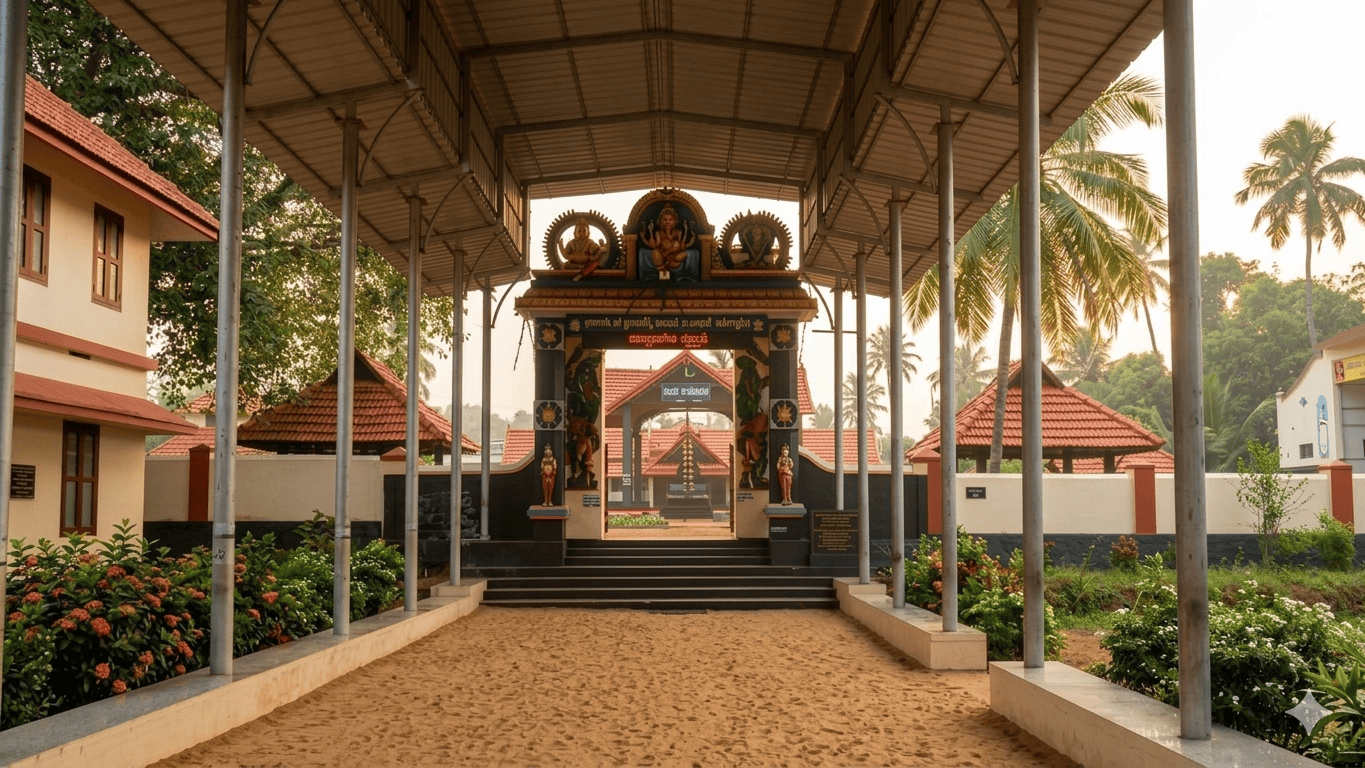
The Panayara Triporittakkavu temple itself stands as the cultural power of this area. This temple has stood as a metaphor for legend and reality for centuries. The deity is Sree Bhagavathy. There is a story behind why this temple, which is diverse in terms of rituals and ceremonies, became Triporittakkavu. Kaliyoottuparamba, which stretches from east to west outside the surrounding wall. One day, during the Kaliyoot here, Bhadrakali and Darikan challenged each other to a fight. The scene changed completely in a matter of moments. The rhythmic music intensified. Suddenly, anger flared up in Bhadrakali's eyes. Bhadrakali threw off those who were holding her and rushed towards Darikan. The people watching the Kaliyoot were stunned. Darikan ran for his life. Bhadrakali also followed. Finally, in the Arabian Sea, located far to the west, Bhadrakali slit the throat of "Darikan" and drank his blood. The people who had dressed up as Darikan and Bhadrakali were brothers. When the brother who had dressed up as Bhadrakali took off his hair from his head, he realized that he had killed his brother. Thus, the Kav where the fight actually took place became a Thriporittaka. After that incident, the Kaliyoot has not been performed here according to the old custom. But even today, every day in the month of Vrischika, the image of Bhadrakali is drawn in the Patambalam, and the symbolic Kurutinadhi is sung and the symbolic Kurutinadhi is performed. The hair and sword used for Kaliyoot in the past are still kept in the western part of the temple, called "Thekkathil". The old people believe that this hair is growing and when its growth stops, this village and the temple family members will be destroyed. The festival of the goddess is in the month of Meena.
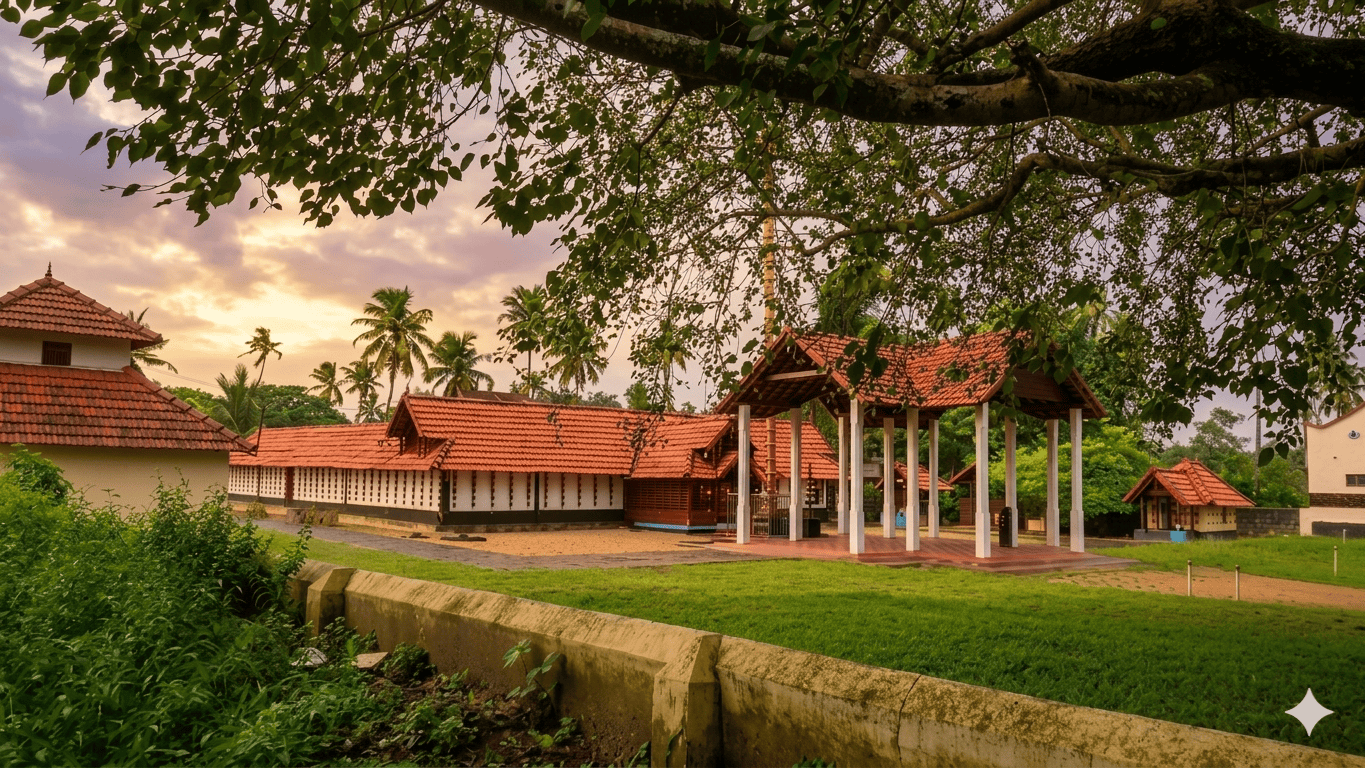
The service provided by the Oorayamakars of this temple has been helpful in the cultural upliftment of Chemmaruthy Panchayat (The Oorayamakars of Tripporittakavu temple donated land for the Panayara Lower Primary School, Library, TV Park, Primary Health Center, Village Office, Chemmaruthy Cooperative Bank). Apart from this temple, there are many temples, shrines and temples in this area, including Panayara Ilangallur Temple, Muthana Shiva Temple, Muttapalam Mathathuvilakkam Bhagavathy Temple, Panayara Kurichimankunnu Sri Dharmashasta Temple, Chennancode Sri Dharmashasta Temple. The Kanvasramam in Srinivasapuram is believed to be the place where Kanvasramam performed penance. Legend has it that the footprints left like witnesses of time belong to Kanvasramam. Kanvasramam is also the home of fascinating birds and other creatures. The spiritual activities of the world-loving Nataraja Guru, his disciples Guru Nithya Chaitanyayati and Muni Narayana Prasad are unmatched by the Sree Narayana Gurukul, located in the western part of the panchayat. This ashram, modeled after the old Gurukuls established by Nataraja Guru, is a great blessing for Chemmaruti Panchayat. The uniqueness of this panchayat is that all these areas are on the edges of long stretches of paddy fields. Agriculture has had a decisive influence on the entire history and culture of this land. Chemmaruti is the home of a people who made their living from caste-based occupations in addition to traditional agriculture. There was a past here when the caste system was actively maintained and followed and the way of life was organized accordingly. Since it was an area where feudalism was prevalent, the ownership of land was also with the landlords. The Nair chieftains were responsible for administering justice to some extent. The tenants had no rights or authority. Although the majority belong to the Hindu religious sect, Muslims and Christians also reside in this panchayat. Religion This panchayat is a prime example of the spiritual life. The vast majority of the people experience and embrace the spiritual presence of Sree Narayana Guru and Nataraja Guru.
The waves of the national movement had a significant impact on this area as well. When the national freedom movement called for strong and widespread agitations, the ancestors of Chemmaruti were ready to strengthen the movement by participating enthusiastically in it. When Mahatma Gandhi arrived in Sivagiri, the people of this place stood at the forefront to welcome him enthusiastically. Today, the libraries and art and sports organizations here lead the cultural activities. The foremost of these is the Panayara Kalaposhini Library, established in 1952, which has a collection of thousands of books. There are currently four libraries in the panchayat.
Agricultural History
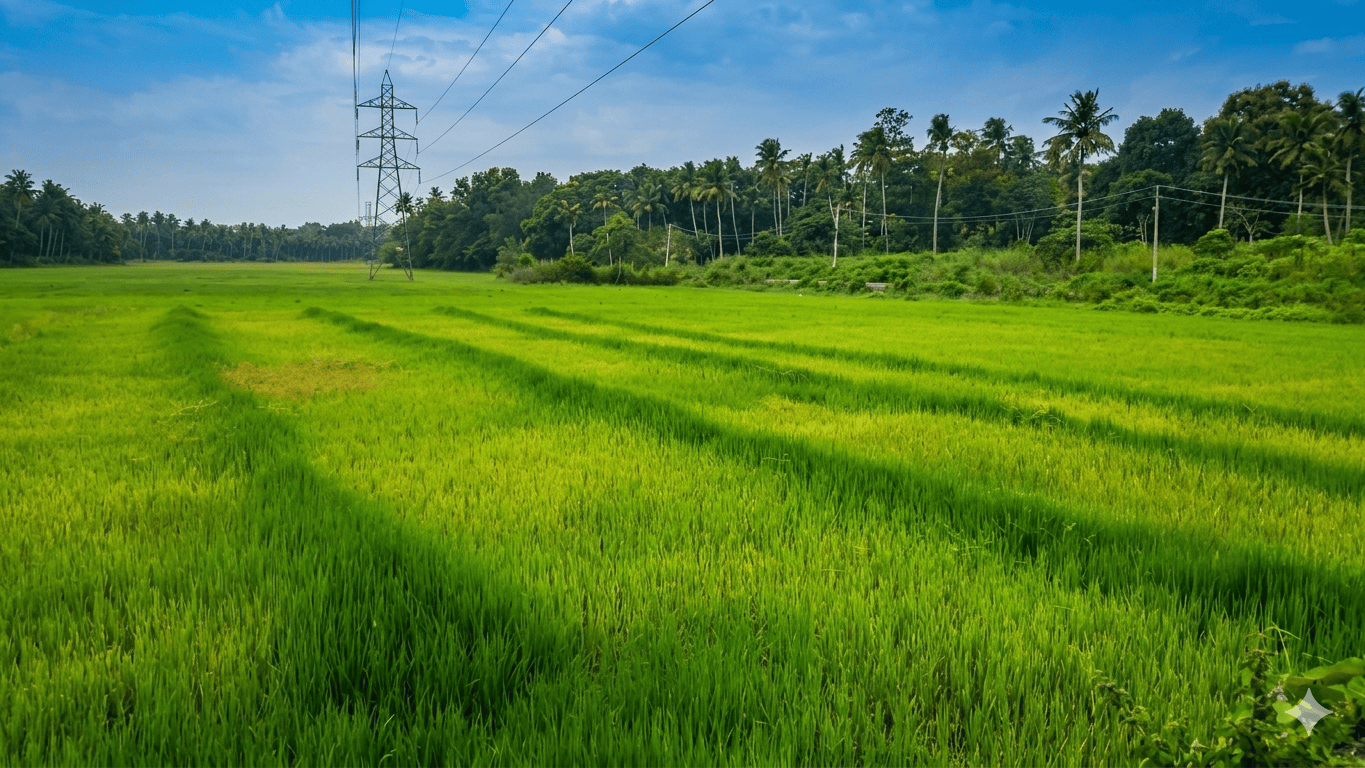
Studies conducted through gram sabhas and other sources show that Chemmaruthy Panchayat had already grown into an agricultural area by the beginning of this century. Old-timers recall that a great man named Srinivasa Rao acquired properties in many parts of the panchayat during this period and initiated comprehensive rural development activities. In the subsequent period, the lion's share of the properties came under the control of the Devaswom and Manas. Kodiyeri Math, Valiya Akaram Mana, Panayara Porittakavu Devaswom are some of these. Even before independence, the establishment of the Srinivasapuram Harijan Colony under the leadership of Govindan Judge and others by providing land and resources for the resettlement of Harijans, and when the Land Reforms Act came into force, the Kanvasramam part of the panchayat was declared surplus land and distributed to landless farmers are described as golden pages of the agricultural renaissance history of the panchayat. The majority of the population of Chemmaruthy Gram Panchayat, a first grade panchayat, earns its living through agriculture and about 40 percent of the families are below the poverty line. The agricultural sector is witnessing a decline in production and many of those working in that sector are moving to other sectors in search of employment.
Land Use
The Chemmaruthy River, which flows through the panchayat from Muthana in the east to Ayiroor Villikadavu in the west, geographically divides the panchayat into two. Kunnathumalai, one of the highest areas in this panchayat, is densely covered with blackberries. From the top of this hill, the entire panchayat area can be seen. 80 percent of the land area of this panchayat is sloping land. They lie sloping towards paddy fields. The fertility of the soil is low. The most cultivated crop in this area is coconut. Paddy is also grown in the fields. After coconut, cassava is the next. The main water source of this panchayat is the Chemmaruthy River. 80% of the total area of the panchayat is sloping land. 20% is plains. The sloping land generally has red clay soil mixed with gravel, and the plains have sandy loamy soil. The soil is generally acidic in nature. The soil here is not very fertile. However, with proper fertilization, any crop can be cultivated profitably.
Health Sector
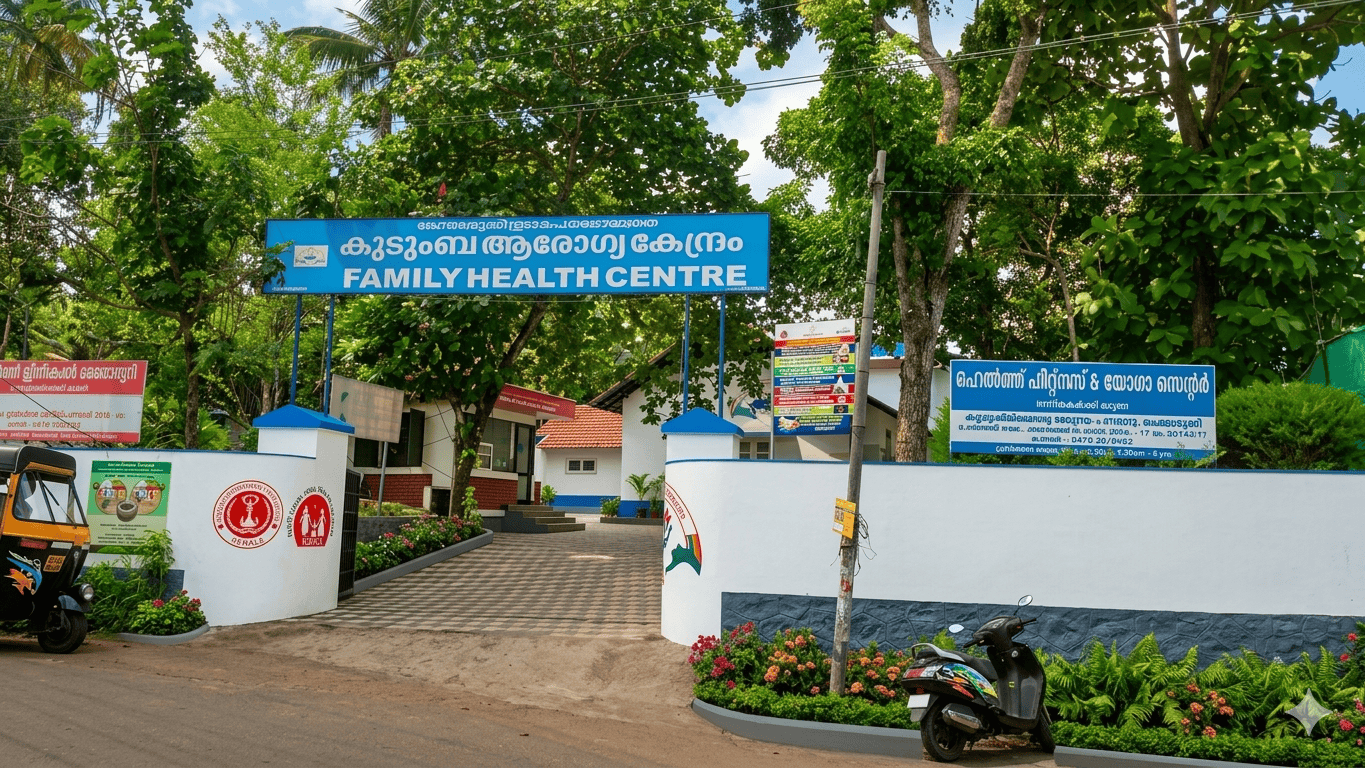
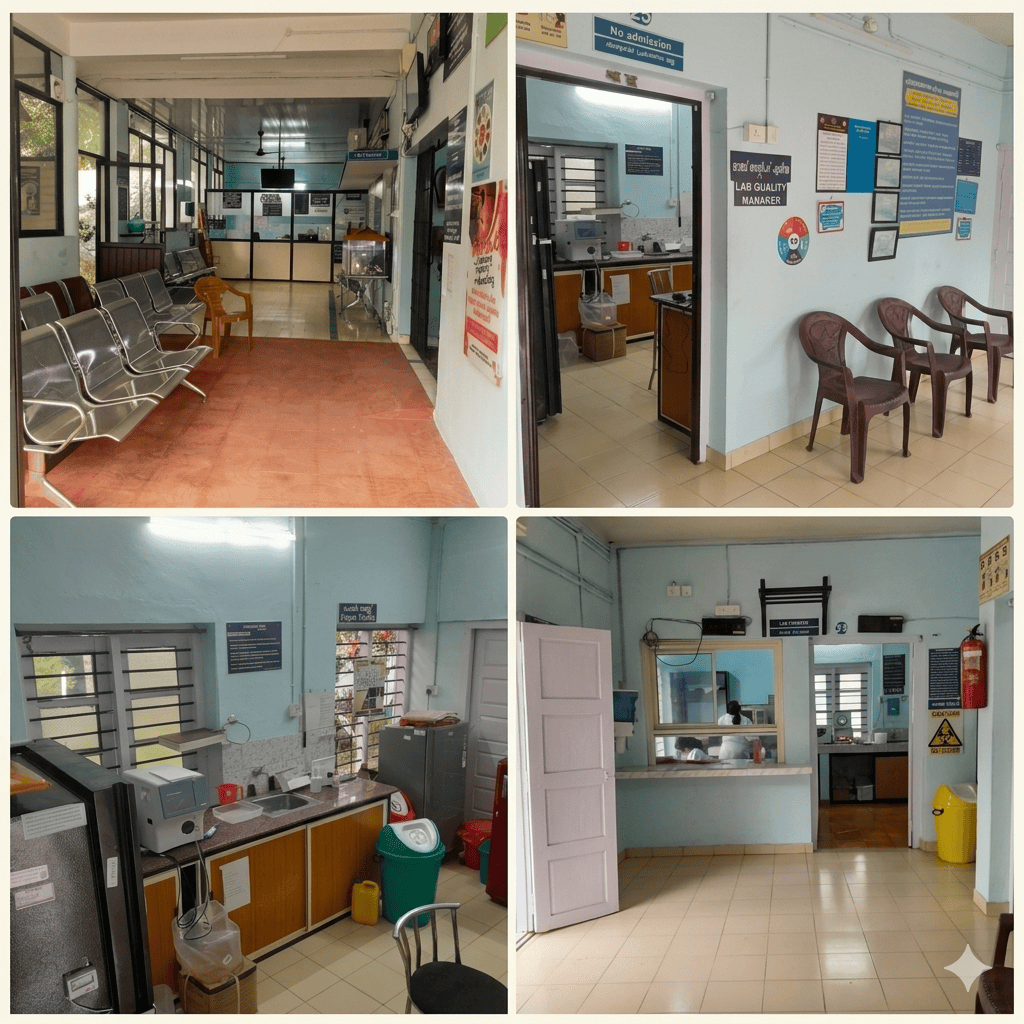
This area has long been famous for traditional medicine. The doctors of Chavarkode, who are famous for Ayurvedic treatment, and the doctors of Chirakkonam, who are famous for poison treatment, are the pride of Chemmaruthy. The government-run Allopathic Hospital, which is functioning near the Panayara Village Office, is the main treatment center of Chemmaruthy Panchayat. The hospital, which was established in 1970 as a result of the efforts of the panchayat, was then located in the present panchayat office building. The Ayurvedic hospital, which was allotted to the panchayat in the building given to it by Manoharan at Muttapalam Manovilasam without rent, started functioning in 1990. The homeopathic hospital allotted to Chemmaruthy panchayat in 1991 was initially functioning in a rented building. Then, it started functioning in a building constructed by the panchayat using JRY funds on 25 cents of land given to the panchayat by Parameswaran at Palayam Kunnu Rasu Vilasam. The Primary Health Center, which operates under the Manamboor Primary Health Center, is a medical institution located in the heart of Chemmaruthy panchayat.
Education
In the early days, there were huts here. The history of educational activities in Chemmaruthy Grama Panchayat can be said to begin with the Nilamthezhuthu Asans and Kudipalalikkudams who lived in various parts of the Panchayat. Later, schools were formed. The school where the first letters of knowledge were written by Professor N. Krishna Pillai, the famous scholar, playwright and above all a teacher of teachers, who wrote “Kairalikk Oru Katha”, is the present Muthana Govt. L.P.S. Then Srinivasapuram (Palamoottil), One lower primary school each was established at Panay, Chemmaruthy (private), Kovur and Muthana and one high school under private management was established at Panayara (Chavadimukku). The Gurus who led this area to the light of literature were also known in other areas. At a time when public education was prohibited for Harijans, they defied the caste system and provided admission to Harijans in schools. The proximity to Varkala, the last center of Sree Narayana Guru's activities, has created an educational and social awakening in the Chemmaruthy area. The Sivagiri High School, which was directly established by the Guru, is located right on the border of this panchayat. Students from all parts of the panchayat relied on this school alone for their high school education. The students of this panchayat were fortunate enough to become disciples of many famous teachers like Professor N. Krishna Pillai, former Chief Minister R. Shankar, Kuttippuzha Parameswaran, K.N. Panicker. It is worth mentioning the names of many great personalities who helped to give a boost to the early educational progress of Chemmaruthy panchayat. The first name to be mentioned is John Sar, a native of Kozhenchery who lived in Srinivasapuram. Even before independence, he had run a model agricultural farm, cattle breeding, training in beekeeping and even a handloom weaving workshop in this panchayat. He was also the reason for the arrival of Christian missionaries and educational and religious activities in this area. The agricultural, educational and social reform efforts of G.H. Mees, a native of Holland who lived in Kanvasramam near Srinivasapuram, and John Reed, etc., have also influenced the early educational progress of this panchayat. The earliest government primary school in this panchayat, Srinivasapuram Government Lower Primary School, is functioning today on the land donated by a great man named Srinivasarao. It is because of his personal greatness that the area where this school is located is named Srinivasapuram.
Housing
In modern times, the dream of owning one's own house has become a mirage. To find a solution to such problems to some extent, the government implemented the "Laksha Veedu Scheme" in 1971. This panchayat was the second in the state and the first in Thiruvananthapuram district to complete the construction of houses under this scheme. This panchayat has taken a leap forward by becoming a model for other panchayats in the field of housing construction. Under this project, one hundred houses were built in Thokkad, Kovoor, Muthana, Chavarkode and Ambalathuvila areas. After evaluating the activities including housing construction, the then government declared Chemmaruthy Panchayat, of which Alihassan was the president, as a “Jayanthi Panchayat.”
Transport
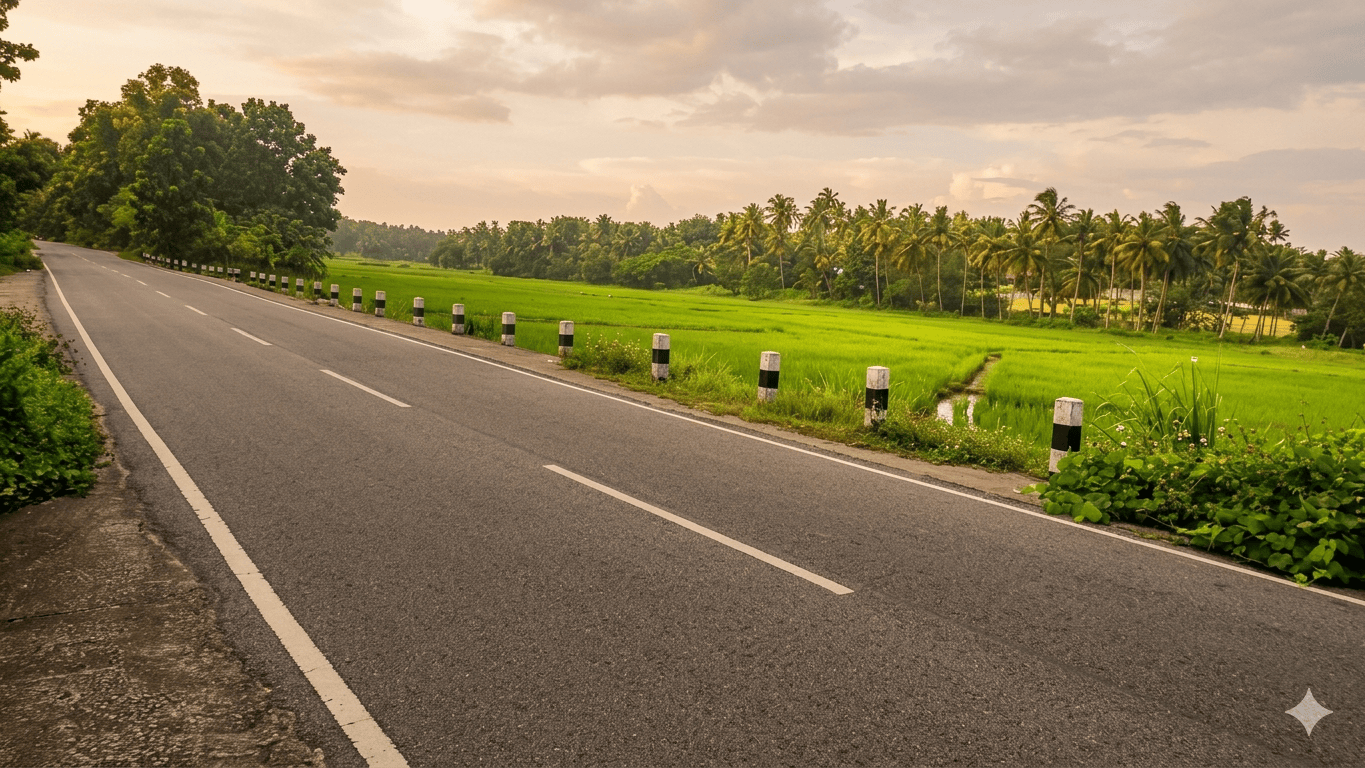
It can be said that before the formation of the Panchayat, there was no road transport facility in this area. One had to walk for kilometers on the Kallambalam-Varkala road on the southern border of the Panchayat and the Paripalli road on the northern border to travel by bus. When the first Panchayat Samiti came into existence on August 15, 1953, there were only less than fifteen kilometers of lanes within the Panchayat. Later, these lanes were developed with the help of Shramadan and using Panchayat funds and made suitable for vehicle traffic, and 20 kilometers of new trafficable roads were constructed. The period of the second Samiti that came to power in 1963 can be described as the golden age of the Panchayat. Several new roads were constructed in place of 35 kilometers of roads and the number of Panchayat roads increased. The length has been increased from 35 to 90 km.
Industry
Chemmaruthy Panchayat area is mainly in the agricultural sector. There is no industry to mention in this panchayat. The traditional cottage industry in the panchayat is now in decline. Industries like weaving, reed, cane, sawing, weaving, weaving, making ornaments and making of decorative items are only in name. The coir industry is the least promising industry in the panchayat. The woodworking, ironwork and manufacturing of decorative items that were done by the working families of this panchayat have reduced to a nominal level. Another dominant industry, red stone cutting, is also facing decline today. Cement and bricklaying have taken over this position. However, although cement industry units are operating in the private sector, they do not have much employment potential. Most of the workers working in the small units here are women. These people are unorganized.
Co-operative
A group of farmers, based in Muthana, registered a credit society under the name of Mutual Co-operative Society No. 1314 in 1925 and started its operations. Credit societies provide loans There was no authority to provide and no necessary funds. Then, in 1950, Mavinmoodu was formed as the Mavinmoodu Unregistered Cooperative Society with registration number 3074 and started its operations. On 13-11-1968, by merging the two aforementioned cooperative societies, Chemmaruthy Service Cooperative Society was registered as registration number T. 328 with Mavinmoodu as its headquarters and started its operations. In the field of dairy cooperatives, Chemmaruthy Dairy Cooperative Society started functioning in 1972 with Thachodu as its headquarters


